Soft Pastel Watercolor Paint Brush Clipart in Pink and Blue
As an embroidery designer with years of experience, I always take a moment to evaluate a new design before using it in a project. When I first opened the Soft Pastel Watercolor Paint Brush Clipart - in Pink Blue, I was immediately drawn to its gentle, whimsical aesthetic. This design carries a soft, artistic flair that’s perfect for handmade products or boutique-style branding. It doesn’t scream for attention but rather invites a warm, creative connection. That kind of visual personality is exactly what you want when crafting personalized gifts or adding subtle charm to custom apparel.
Aesthetic First Impressions and Project Fit
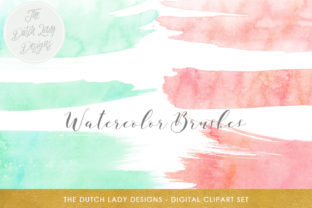
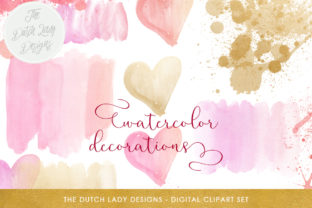
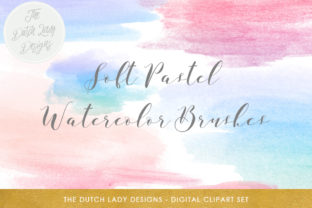
The Soft Pastel Watercolor Paint Brush Clipart features a delicate paintbrush shape with flowing watercolor strokes in pink and blue hues. The color palette evokes a sense of calm and creativity—ideal for projects targeting a feminine, bohemian, or artsy audience. Its layout is balanced yet organic, making it feel like a hand-painted illustration rather than a rigid digital asset. For me, this immediately suggested use on items like tote bags, sweatshirts, or even nursery decor, where a touch of elegance and playfulness can elevate the product without overwhelming it.
What stands out most is how the pastel colors blend subtly into the design. They don’t shout; they whisper. This makes the clipart versatile enough to pair well with other motifs while still maintaining its own identity. In terms of detail level, the brush stroke edges are soft and fluid, which means the embroidery will have a painterly look once stitched. It's not high-detail work, so it won't require complex stitching techniques, but it does need thoughtful placement and fabric consideration.
Stitching Clarity and Visual Appeal
In real-life embroidery applications, the clarity of the Soft Pastel Watercolor Paint Brush Clipart depends heavily on the thread colors selected. The original pink and blue shades are light and airy, but if your fabric is also light-colored, there may be issues with contrast. Always test the design on a scrap piece of the intended fabric to see how the stitch density and thread colors interact. A good rule of thumb is to ensure that the main elements of the design remain visible after stitching—even if the effect is soft, the overall shape should still be clear.
For custom apparel, especially sweatshirts or hoodies, this design works best when placed centrally or near the hem. The softness of the colors complements thicker knits and adds a refined touch without being too loud. On pillow covers or aprons, the same goes—use it as a decorative accent or a statement piece depending on the size and scale you choose.
Where This Design Excels
- Tote bag designs benefit from the soft, artistic style of this clipart—it feels premium and personal.
- Baby clothes and nursery items often call for soothing visuals, and this design fits perfectly into that category.
- It can be used as an applique design with satin stitch outlines to enhance definition without overcomplicating the file.
- Holiday gifts or wedding favors embroidered with this motif gain a unique, handcrafted appeal that sets them apart from generic patterns.
- For Etsy sellers or handmade shop owners, the design assets included in this package offer great flexibility for creating printable mockups or digital product previews.
One of the things I love about this design is its ability to add a professional finish to a craft business product. Whether it's a small batch of embroidered patches or a line of personalized sweatshirts, the pastel watercolor effect gives a sense of quality and intentionality. Customers tend to respond well to this kind of subtle, artistic branding—it conveys care and creativity without being garish.
When to Use with Caution
Despite its charm, there are situations where the Soft Pastel Watercolor Paint Brush Clipart might not perform as expected. Here are a few key considerations:
- Small hoop sizes: The design has some fine lines and curves that could get lost in tight stitching areas. If you're planning to use it in a tiny hoop, consider simplifying the details or scaling it down carefully.
- Textured fabrics: While it looks great on smooth cottons or quilting materials, textured surfaces like canvas or linen might dull the pastel effect slightly. Test it out before committing to a full production run.
- Thin or stretchy fabric: These materials can distort the soft, flowing shapes of the design. You’ll want to use a stabilizer and possibly reinforce the back of the fabric for better results.
- Dark fabric backgrounds: The pale pink and blue threads won’t pop against dark colors. Consider using a lighter fabric base or adjusting the thread colors to maintain visibility.
- Curved surfaces: Embroidering onto caps or hats requires extra attention to how the design adapts to the curve. The brush shape might not translate well unless the hoop size allows for some distortion control.
If you're working on commercial embroidery for a retail brand or selling finished products online, these factors are essential to keep in mind. The goal is to ensure the final finished product retains its visual impact and aligns with your brand’s standards.
Design Notes for Embroidery Professionals
Before moving this design into production, here are some practical tips to help you make the most of it:
- Test on scrap fabric: Especially if you plan to use it on stretchy or thin material. Seeing how it behaves under tension is crucial.
- Check thread color contrast: Make sure the pink and blue tones stand out clearly against your chosen fabric. If not, swap in darker pastels or even jewel tones for more visibility.
- Review stitch density: Because the design leans toward softer aesthetics, it’s best to avoid overly dense fill stitches unless necessary. A lighter touch helps preserve the watercolor look.
- Confirm hoop size: Ensure your hoop can accommodate the entire design without forcing it into an unnatural shape. Cropping or stretching could ruin the delicate balance of the brush form.
- Inspect small details: The watercolor texture includes subtle shading. Check whether your machine can handle those nuances without losing them in the stitch pattern.
- Test black and white mockups: This helps determine how the design would look if printed or transferred instead of stitched, which is helpful for digital product creators.
- Compare light and dark fabric backgrounds: See how the design adapts and adjust accordingly for maximum visual appeal.
- Use proper stabilizer: Especially important for handmade products that will be washed frequently, like kitchen towels or babies' clothing.
- Check licensing: If you're planning to sell digital embroidery files or finished products featuring this design, confirm whether the license allows for commercial use. This is vital for craft business owners and small shop merchandise producers.
Enhancing Brand Consistency and Customer Trust
Using the Soft Pastel Watercolor Paint Brush Clipart consistently across your product line can help build brand recognition. For instance, if you specialize in holiday embroidery or personalized gifts, embedding this motif into your packaging or product labels can create a cohesive, artistic theme. The soft pastel tones suggest a thoughtful, artisanal approach—which many customers value highly, especially in today’s market where handmade and locally made goods are gaining popularity.
On Embroidered Sweatshirt collections or Custom Apparel bundles, the design can act as a signature element. But again, consistency is key. If the design is only applied sporadically, it may lose its impact. Instead, use it as a recurring feature to strengthen brand consistency and customer familiarity.
Final Thoughts for Real Projects
Overall, the Soft Pastel Watercolor Paint Brush Clipart - in Pink Blue is a solid addition to any machine embroidery design library. It brings a soft, artistic edge that can enhance both personal and commercial craft projects. However, like all embroidery files, it needs to be evaluated for the specific application you have in mind. Don’t assume it will work flawlessly on every fabric or garment type—test it, adapt it, and use it wisely.
Whether you’re an embroidery designer looking to expand your motif collection or an Etsy seller aiming to create handmade products with a unique touch, this design offers a lot of potential. Just remember to factor in fabric choice, thread visibility, and the emotional tone you want to convey. With the right setup, it can become a standout feature in your next embroidery project.