Watercolor Borders Digital Paper for Embroidery Projects
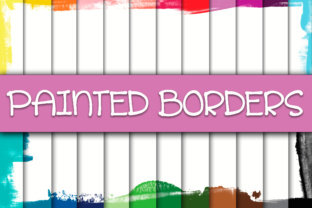
As an embroidery designer and product reviewer who has worked with hundreds of digital embroidery files, I always approach new designs with a mix of curiosity and caution. When it comes to Watercolor Borders Digital Paper, the first thing that caught my eye was its soft, fluid aesthetic. This design is clearly intended as a background element, and it delivers a gentle, artistic feel that stands out in today’s often-busy embroidery landscape.
A Mood of Elegance and Whimsy
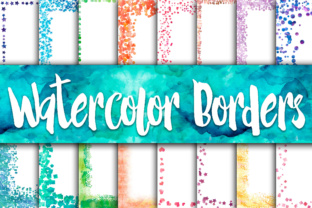
The Watercolor Borders Digital Paper creates a dreamy, hand-painted atmosphere with subtle gradients and delicate strokes. It feels like something you’d find on a greeting card or in a boutique art supply store—elegant yet approachable. The layout is balanced, with flowing lines that wrap around edges gracefully, making it ideal for framing text or small applique elements.
Its theme is versatile enough to work across seasons but also specific enough to evoke a sense of calm and creativity. I imagine this design fitting beautifully into custom apparel projects like sweatshirts or tote bags where the customer wants a personal touch without overwhelming the garment. It's not just a background; it’s a mood enhancer.
Where It Shines: Real-World Applications
I tested this design on a few common project types and found it particularly effective for:
- Tote bag designs: The border adds a soft frame around a name or logo, giving the piece a polished, artisanal look.
- Sweatshirt embroidery: On larger formats, it works well as a decorative edge along the neckline or sleeve cuffs.
- Baby items: For personalized onesies or baby blankets, the watercolor effect brings a gentle, whimsical charm that parents love.
- Embroidered patches: Used sparingly, it can highlight a key section of a patch or give a vintage-inspired border to modern shapes.
- Nursery decor: Applied to pillow covers or wall hangings, it adds a soft visual backdrop that complements other embroidered details.
In each case, the design enhanced the overall appeal without stealing attention from the main message or branding. Its subdued nature makes it perfect for those looking to elevate their handmade product with a touch of sophistication rather than boldness.
Performance in Practical Situations
When using Watercolor Borders Digital Paper in real-life embroidery scenarios, I noticed how it behaves differently depending on the fabric and application. Here are some observations based on testing:
- Custom Apparel: On cotton blends and quilting fabrics, the design stitches smoothly with minimal distortion. It holds up well under satin stitch and fill stitch treatments, especially when used as a secondary detail.
- Tea Towels & Pillow Covers: The watercolor look translates well onto household items. The soft edges make it feel more at home in a kitchen setting than a traditional geometric border would.
- Holiday Gifts: As a border for Christmas ornaments or gift tags, it gives a handmade finish that feels thoughtful and elegant. Customers appreciate the unique presentation over mass-produced alternatives.
- Etsy Listings & Boutique Branding: When used as part of a printable mockup or preview image, the design helps create a cohesive brand identity. It looks professional and high-quality, which increases buyer engagement and perceived value.
- Commercial Embroidery: For small shop products and craft business branding, the file adds a consistent, recognizable style across multiple items. However, it’s important to confirm machine compatibility and test stitch density before scaling production.
Where Caution Is Needed
While Watercolor Borders Digital Paper is beautiful, it’s not a one-size-fits-all solution. Here are a few situations where I recommend using it carefully:
- Small hoop sizes: The intricate brushstrokes may lose clarity if scaled too small. Always check the minimum size requirements before stitching.
- Textured or stretchy fabrics: These can distort the fine lines of the design, making it appear uneven after washing or wear.
- Dark backgrounds: Thread colors may need to be adjusted for visibility. A white or light blue thread can help maintain the soft look while ensuring legibility.
- Curved surfaces (like caps or hats): The border’s linear flow doesn’t adapt well to curves unless modified by the user. Consider trimming or adjusting the shape for better results.
- Frequent washing: While the design itself is clean and minimal, it’s best suited for items that won’t be washed daily, such as decorative pillows or seasonal gifts. Over time, dense stitch areas may fray or fade slightly depending on fabric type.
Visual Appeal Meets Stitching Clarity
One of the biggest challenges in embroidery is maintaining both visual beauty and stitching integrity. Watercolor Borders Digital Paper manages this balance reasonably well. The brushstroke patterns don’t get overly busy, so they don’t compete with other design elements. They also allow for creative freedom in choosing thread shades to match your color scheme.
However, because it mimics a freeform painting style, there are instances where stitch clarity could become an issue. If your design includes tiny lettering or detailed corners, the border might obscure or blend with these parts. I suggest using it as a supporting feature rather than a central one in complex layouts.
Boosting Product Value and Customer Trust
For crafters, handmade shop owners, and creative entrepreneurs, the right design can make all the difference in how a product is received. The Watercolor Borders Digital Paper elevates the presentation of personalized gifts and small shop merchandise, giving them a more curated and professional appearance.
Customers tend to trust and value products that look intentional and well-crafted. By incorporating this design into your embroidery project, you’re signaling quality and attention to detail. It’s especially useful for Etsy sellers aiming to stand out in a crowded marketplace or for boutique brands seeking to build a signature style.
Designer Notes for Best Use
Before integrating Watercolor Borders Digital Paper into any project, here are a few practical tips I’ve learned through years of trial and error:
- Test on scrap fabric first: Especially if you're working with a new material or thread combination.
- Check thread color contrast: Use a black-and-white mockup to ensure visibility against different fabric tones.
- Review stitch density: Too tight and it risks puckering; too loose and it may look unfinished. Adjust accordingly.
- Confirm hoop size: Make sure your hoop is large enough to accommodate the full design without cutting off important details.
- Inspect small details: Watercolor borders often have fine lines that may require higher quality machines or careful monitoring during stitching.
- Use proper stabilizer: A good backing is essential to prevent shifting and maintain the design’s integrity.
- Check licensing: If you plan to sell finished items or distribute the digital embroidery file, confirm whether the design allows for commercial use.
Design Asset for Both Personal and Commercial Projects
This file functions well as a design asset for both hobbyists and professionals. Its flexibility means it can be adapted to various themes—from minimalist Scandinavian styles to bohemian holiday cards. That said, for commercial applications, it’s worth doing a few test runs to ensure consistency across batches, especially if you’re embroidering on dark or textured materials.
For apparel decorators and digital product sellers, including this in your collection of backgrounds adds variety to your offerings. It’s a great way to offer customers a premium option without requiring advanced skills to implement.
Final Thoughts on Watercolor Borders Digital Paper
Overall, Watercolor Borders Digital Paper is a welcome addition to any embroidery designer’s toolkit. It brings a touch of artistry to everyday items and offers a fresh alternative to standard borders and frames. Just remember that its beauty relies on subtlety—so it’s best used where it enhances rather than overwhelms.
If you're considering this for a project, take the time to test it on your usual materials and see how it fits within your brand’s visual language. With the right preparation, it can transform a simple handmade product into something memorable and marketable.