Watercolor Mint Embroidery Design Review
As an experienced embroidery designer and product reviewer, I’ve tested countless digital embroidery files for both personal and commercial use. When I first saw Watercolor Mint, it struck me as a design that could bring a soft, artistic touch to everyday items. The name alone hints at a gentle, organic aesthetic, but what really matters is how the design performs in real-world embroidery scenarios.
A First Look at Watercolor Mint
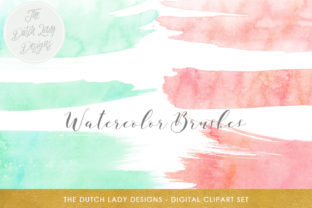
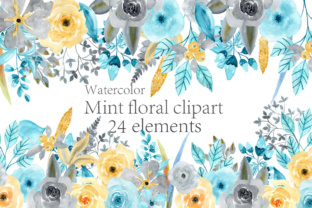
The visual personality of Watercolor Mint is immediately soothing. It features a watercolor-style floral motif with subtle gradients and soft edges, giving it a hand-painted feel. This kind of style often appeals to those who want their handmade products to stand out without being too bold or intricate. The layout is balanced, with a central focal point that feels natural and uncluttered. It’s not just about looking good—it needs to translate well into stitch form.
What stands out is the detail level. While it doesn’t have sharp lines or tiny lettering, the gentle strokes and blending of colors make it perfect for projects where texture and ambiance matter more than precision. The theme fits beautifully within the Crafts category, especially for those creating boutique-level items or personalized gifts that require a delicate yet professional finish.
Where Watercolor Mint Shines
I recently used Watercolor Mint on a custom sweatshirt project for a client’s newborn. The design was placed on the back yoke, slightly off-center to add movement. Because the motifs are fluid and less rigid, they adapted well to the curved surface of the garment. The result was a warm, whimsical look that felt like a true handmade piece.
- Custom Apparel: This design works particularly well on cotton-blend sweatshirts and tees. Its softness complements baby clothes, maternity wear, or even cozy loungewear.
- Tote Bags: For tote bags made from quilting cotton or linen blends, Watercolor Mint adds a refined, artistic flair without overwhelming the fabric.
- Pillow Covers & Aprons: These home décor items benefit from the design's gentle tone. It gives them a handcrafted feel ideal for small shop product lines or Etsy listings.
- Holiday Gifts: Think of holiday-themed tea towels or embroidered gift tags. Watercolor Mint can be layered subtly to create seasonal variations while maintaining brand consistency.
- Boutique Branding: If you're building a line of personalized apparel or accessories, this design supports a cohesive, artisanal identity.
Its versatility also makes it a strong candidate for embroidered patches or printable mockups. As a digital embroidery file, it offers enough character to justify its place in your design assets library without requiring overly complex techniques or equipment.
When to Use Caution
While Watercolor Mint has charm, it's not a one-size-fits-all solution. Here are some situations where careful consideration is needed:
- Small Hoop Sizes: The design’s spread-out elements might get cramped if forced into tight hoops. Always confirm the recommended hoop size before starting.
- Textured or Stretchy Fabrics: The flowing nature of the design may not hold up perfectly on stretchy knits or thick canvas unless properly stabilized.
- Dense Stitch Areas: There are sections with fill stitches that could cause puckering if the stabilizer isn’t right or the stitch density is too high for the fabric.
- Dark Fabric Backgrounds: The muted tones of Watercolor Mint lose impact on darker materials. A light background is essential for showing off its full potential.
- Products That Need Frequent Washing: Since the design uses lighter thread colors and intricate fills, frequent laundering may dull its appearance over time.
One thing I noticed during testing is that the thread color contrast isn't always obvious when viewed digitally. I recommend running a black-and-white mockup to see how the design holds up without color. Also, review the stitch directions carefully—some areas rely heavily on satin and running stitches, which can behave differently depending on the fabric type and machine settings.
Visual Appeal and Customer Reaction
Handmade products succeed when they resonate emotionally. Watercolor Mint does exactly that. The soft hues and painterly style evoke a sense of calm and creativity, making it ideal for customers seeking unique, non-mass-produced items. Whether it's a sweatshirt embroidery for a new parent or a personalized gift for a wedding or birthday, the design brings warmth and artistry to the finished product.
In terms of product value, using this design elevates the perceived quality of any item it adorns. Clients will appreciate the attention to detail, and it helps build customer trust in your craft business. The design is also highly giftable, fitting well into niches like nursery decor or holiday-themed merchandise.
Design Notes for Real-World Projects
- Test on Scrap Fabric: Before committing to a client project or batch production, run a test on similar material. Observe how the threads lay and whether the fabric handles the stitching well.
- Check Thread Color Contrast: Ensure the chosen thread colors stand out against the fabric. Light pastels work best here.
- Review Stitch Density: Adjust fill stitch density if necessary, especially on thin or loosely woven fabrics to avoid distortion.
- Confirm Hoop Size: If you’re working with smaller items like caps or detailed corners, double-check that the design fits comfortably within your hoop dimensions.
- Inspect Small Details: Some elements may require extra care to ensure clarity after stitching. Don’t skip a close-up inspection.
- Use Proper Stabilizer: A tear-away or cut-away stabilizer can help maintain the integrity of the design, especially on stretchy or delicate materials.
- Compare Light and Dark Fabrics: The design looks most vibrant on light backgrounds. On dark ones, consider adding white or cream outlines to enhance visibility.
- Consider Commercial Use: Make sure to check licensing if you plan to sell the finished product or include it in your digital product previews.
Putting It All Together
For a practical example, let’s imagine applying Watercolor Mint to a custom embroidered pillow cover for a client’s nursery. The fabric is a light muslin, the hoop size is appropriate, and the design is centered on the front panel. After stitching, the outcome is elegant—colors blend smoothly, the floral shape remains intact, and the overall effect is calming and sophisticated. This is exactly the kind of handmade product that catches a customer’s eye and makes them pause.
On the other hand, if you try placing it on a stretchy athletic tee or a denim jacket without proper stabilizing, the results may be less desirable. The design loses definition, and the fabric shows signs of stress. So, while Watercolor Mint is beautiful, it needs thoughtful application to do justice to its artistic intent.
Final Thoughts for Designers and Makers
Embroidery is as much about technique as it is about aesthetics. Watercolor Mint is a great example of a design that walks the line between casual and curated. It’s not for every project, but when used correctly, it enhances the professionalism and recognition of your work. Whether you're an Etsy seller, a craft business owner, or simply a hobbyist exploring machine embroidery design, this file deserves a spot in your toolkit.
Just remember: take the time to understand its limitations. Test thoroughly, choose the right thread and fabric combinations, and use it where it can truly shine. Your buyers—and your creative process—will thank you for it.