Watercolour Graphics, Handpainted Clipart: A Designer’s Honest Take
When I first opened the Watercolour Graphics, Handpainted Clipart digital embroidery file, I was struck by its soft, organic feel. The design immediately evoked a sense of handcrafted charm and artistic flair, something that stands out in today’s fast-paced, digitally driven market. As an experienced designer who works with both hobbyists and commercial clients, I always look for elements that bring personality to a project without overwhelming it. This set of decorative elements fits that bill perfectly—but only if used thoughtfully.
Visual Personality and Mood
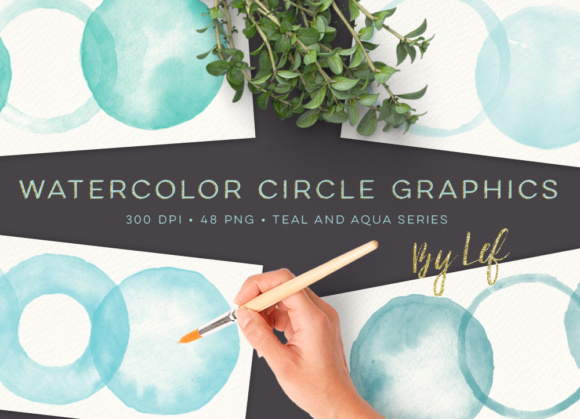
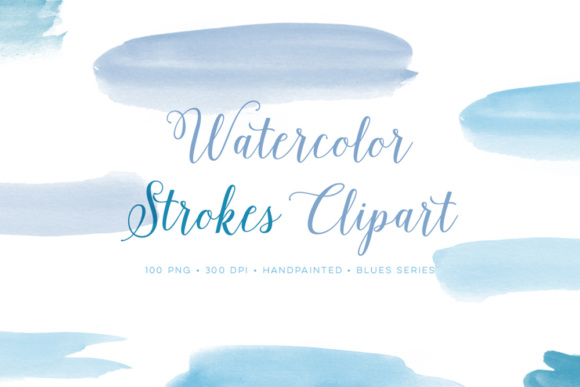
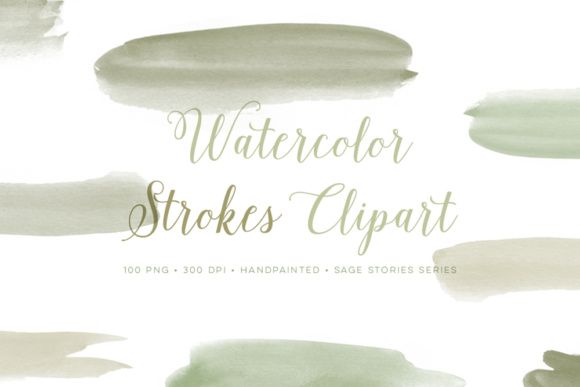
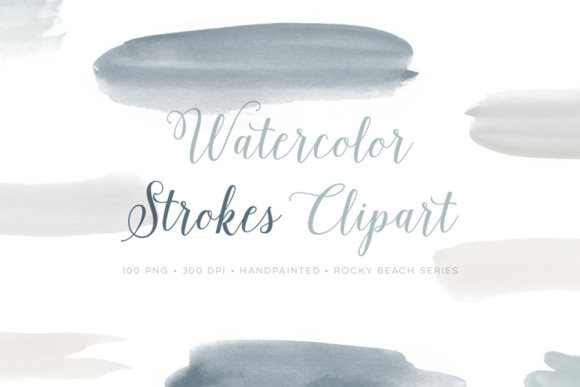
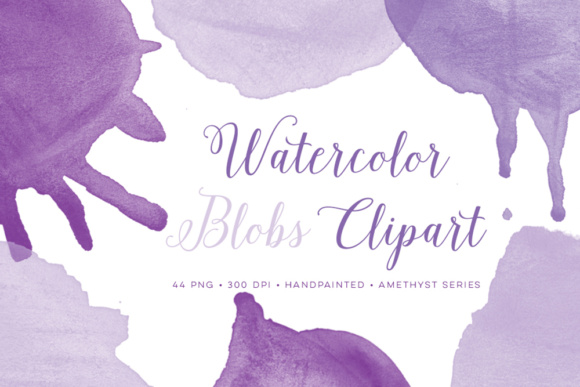
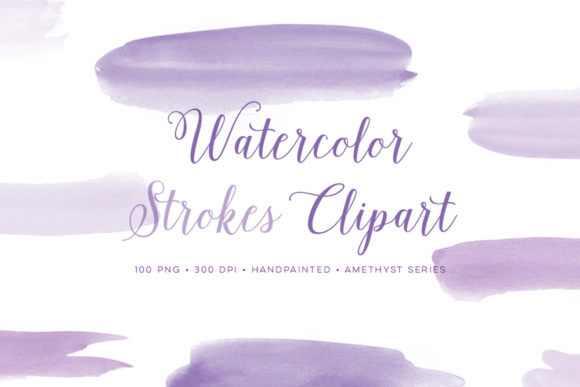
The Watercolour Graphics, Handpainted Clipart collection is all about gentle aesthetics. It features flowing lines, subtle gradients, and delicate brushstrokes that give each element a painterly quality. These aren’t bold, graphic designs—they’re more like watercolor illustrations brought to life through thread. They convey a mood of warmth, creativity, and nostalgia, making them ideal for products aimed at the lifestyle or artisanal markets.
I can already picture these graphics stitched onto a custom sweatshirt or tote bag. They would work beautifully as accents—perhaps framing a name or date, or adding a whimsical touch to a minimalist logo. The theme feels very “handmade,” which is a big plus for Etsy sellers and small shop owners looking to offer unique, high-quality items.
Layout and Detail Level
Each design is composed with balance and flow in mind. There are no overcrowded areas, and the layout allows for easy integration into other embroidery elements. The level of detail is moderate—enough to make the design visually engaging but not so intricate that it becomes problematic on fabric.
However, there are some elements that require attention. Tiny details like flower petals or brushstroke edges may struggle with clarity when stitched on thin or stretchy fabrics. If you're planning to use this design on a baby item or holiday gift, keep in mind that the softer look might not translate well if the fabric isn’t stable enough.
Real-Life Use Scenarios
Let’s take a real-world example: preparing a custom embroidered tote bag for a boutique client. You want something elegant yet approachable. The Watercolour Graphics, Handpainted Clipart could be the perfect accent. Placed along the bottom edge of the bag, they add a decorative flourish without being too loud. Customers often appreciate this kind of understated style—it speaks to quality and intentionality.
Another scenario is using these graphics in sweatshirt embroidery. Here, their softness can complement a child's name or a seasonal motif. On thicker fleece, the stitch density remains consistent, and the watercolor effect stays true. But on lighter-weight materials, especially those with texture, the design may lose its intended subtlety.
For embroidered patches, the design shines. Its visual depth makes it stand out even on simple backgrounds, and the brushstrokes lend a tactile, almost hand-painted appearance when stitched properly. This could be a great addition to a handmade apron or a vintage-style cap.
Commercial vs. Personal Projects
As a designer, one of my key concerns is whether a machine embroidery design will hold up under the demands of commercial embroidery. The Decorative Elements in this collection are versatile enough for both personal and business use. That said, I’d recommend testing the design thoroughly before mass production. Check how it behaves across different fabric types and hoop sizes. Make sure the stitch count doesn’t exceed your machine’s capabilities.
For digital embroidery files sold online, this design offers strong visual appeal and a sense of authenticity. It’s the kind of thing that Etsy buyers gravitate toward—something that feels special and not just another generic template.
Where to Use with Caution
While the Handpainted Clipart has a lot going for it, there are situations where it might not perform as expected:
- Small hoop sizes: Some of the larger elements won’t fit unless you resize carefully. Resizing can affect the integrity of the brushstrokes, so test on scrap fabric first.
- Textured or stretchy fabrics: The fine details may distort slightly, especially on knits or canvas. Stabilizer is essential here.
- Dark fabric backgrounds: Thread color contrast is crucial. The muted tones in this design might need brighter threads to pop effectively.
- Products needing frequent washing: Dense stitching can cause puckering over time, especially on towels or aprons. Be mindful of stitch density and fabric choice.
These aren't showstoppers, but they are important considerations. The goal is always to ensure the finished product looks as good as the original design concept.
Design Integration Tips
Here are a few practical notes from my own experience working with similar machine embroidery designs:
- Test on scrap fabric first: Always do a trial run. Especially with delicate elements like these, seeing how they stitch helps you adjust thread colors or stabilizer type ahead of time.
- Check thread color contrast: The design uses pastel shades, so consider your fabric background. Darker textiles may need complementary thread choices to maintain visibility.
- Review stitch density: Too much fill stitch in certain areas could lead to stiffness. Opt for lighter coverage where possible, particularly on flexible garments like t-shirts or caps.
- Confirm hoop size: Before finalizing any project, verify that the design fits within your available hoop dimensions. Some elements might need trimming or resizing.
- Inspect small details: The fine strokes and delicate outlines are what give this design its character. Make sure they remain visible after stitching.
- Test in black and white mockups: This helps identify potential issues with contrast and readability, especially if you're using limited thread palettes.
- Compare light and dark fabric backgrounds: See how the design translates on both ends of the spectrum. Sometimes a darker fabric can mute the watercolor effect entirely.
- Use proper stabilizer: Especially on stretchy or thin materials. Tear-away or cut-away stabilizers can help preserve the shape and prevent distortion.
- Confirm licensing before selling: Always check the terms of the digital embroidery file. Some collections allow commercial use, others don’t. Don’t risk infringement, especially if you're an Etsy seller or running a craft business.
Customer Reaction and Market Fit
In my line of work, customer reaction is everything. People buy into the story behind a product, and the Watercolour Graphics, Handpainted Clipart definitely tells a story. When applied correctly, it elevates the product value and adds a layer of sophistication that appeals to customers seeking something more than just a logo on a shirt.
From a branding perspective, these graphics help maintain a consistent aesthetic across your small shop product offerings. They can be used to create a signature look for personalized gifts or nursery decor. Their artistic nature also enhances handmade presentation, giving your embroidery project that extra bit of charm that sets it apart in crowded marketplaces.
On the flip side, if you're targeting a more professional or corporate audience, this design might not be the best fit. It leans heavily into the craft and lifestyle niches, which is great for holiday gifts or boutique branding, but less so for formal apparel or office merchandise.
Giftability and Recognition
One area where this design truly excels is in giftability. Whether it’s a custom pillow cover, a kitchen towel, or a personalized baby item, the watercolor aesthetic adds a warm, thoughtful touch. Buyers recognize the care put into such designs, which builds customer trust and increases perceived value.
That said, the design’s subtlety means it won’t shout for attention. If you're creating something that needs to be instantly recognizable—like a printable mockup for a digital product listing—you’ll need to pair it with bolder elements or place it strategically to avoid getting lost.
Final Thoughts for Designers and Makers
The Watercolour Graphics, Handpainted Clipart is a beautiful addition to any embroiderer’s toolkit. It brings a fresh, artistic energy to projects that often benefit from a little soul. However, its success depends on careful implementation and context-aware placement.
If you're working on a tote bag design or a custom apparel piece for a boutique, this design could be a game-changer. Just remember to treat it with the nuance it deserves—adjusting thread colors, stabilizer, and fabric choices accordingly. And always, always confirm the licensing if you plan to sell the finished product.
Used wisely, these decorative elements can enhance your brand, engage your buyers, and create memorable handmade products. But skip the shortcuts. Test, tweak, and trust your eye. After all, that’s what separates a good design from a great one.